Skip to content
Israel Taxi & TravelMoshe Barak (home)

Jerusalem · Attractions

Mount Zion, Jerusalem: What to See & How to Visit

Just outside Jerusalem’s Old City walls, Mount Zion brings together the Room of the Last Supper, the traditional Tomb of King David and Dormition Abbey, all a few minutes’ walk from Zion Gate. Follow a short circuit for the main landmarks, or allow more time for St Peter in Gallicantu, the Chamber of the Holocaust and Oskar Schindler’s grave.

Updated

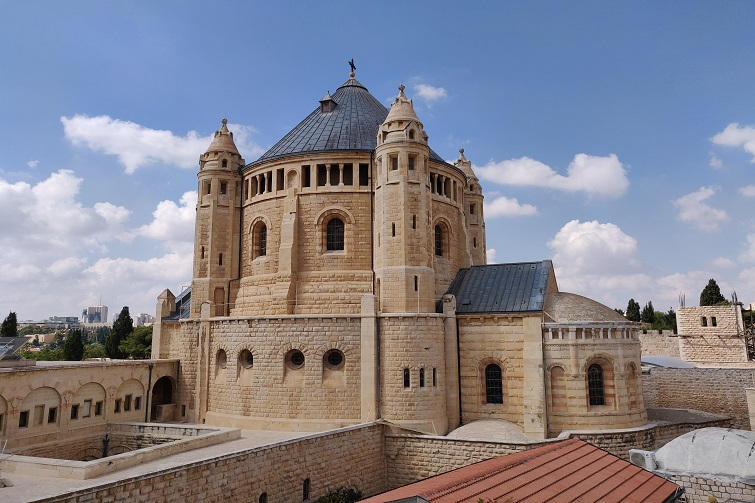
Dormition Abbey on Mount Zion beside Jerusalem's Old City

Mount Zion at a glance

Location

Beside Zion Gate

Just south of the Old City walls

Time needed

1–3 hours

Allow more time for Gallicantu or the cemetery

Central sites

Mostly free

Check individual museums and churches

Plan for

Sunday differences

Abbey opens 11:30; Gallicantu closed

Main landmarks

Upper Room & Dormition

David's Tomb in the same historic complex

Walking

Compact central circuit

Lower sites need additional steps or a vehicle

Start on foot near Zion Gate. The Upper Room is upstairs from David’s Tomb; both have their own visitor and worship arrangements. See Dormition Abbey’s hours before a Sunday visit.

What to see on Mount Zion

Begin near Zion Gate for the main landmarks. The last two stops lead downhill to separate entrances; allow more time for either one.

Zion Gate

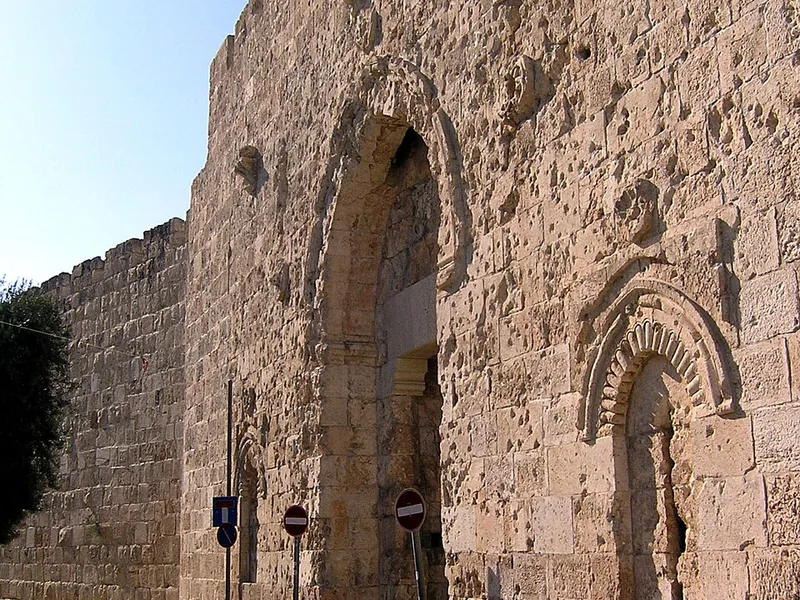
Zion Gate connects Mount Zion with the Armenian and Jewish Quarters of the Old City. Its stone entrance is one of Jerusalem's most memorable gates; marks left by the battles of 1948 can still be seen in the masonry.

Zion Gate is a convenient entrance to the Old City after visiting Mount Zion. If you want to visit the Western Wall afterwards, continue through the Jewish Quarter.

The arched entrance to Zion Gate through Jerusalem’s Old City walls

Dormition Abbey

Dormition Abbey’s round basilica and bell tower rise beside Zion Gate. The Benedictine church commemorates Mary’s Dormition, or falling asleep; the main church is decorated with mosaics and the crypt has a reclining image of Mary.

I would include both the mosaics in the main church and the crypt when they are open. The round architecture is easier to appreciate when you also walk around the exterior.

Dormition Abbey visiting hours

Dormition Abbey basilica and bell tower rising above Mount Zion in Jerusalem

Room of the Last Supper (Cenacle)

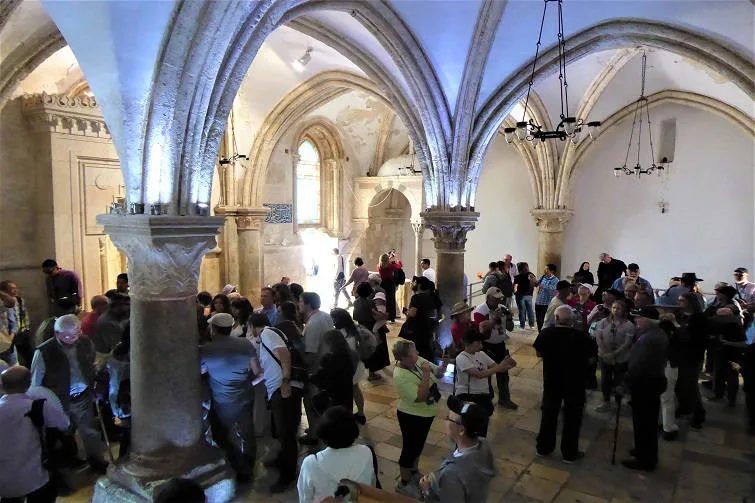
Tradition identifies this vaulted upper chamber with the Last Supper and Pentecost. Its Gothic-style ribbed vaults reflect centuries of religious and architectural change, including the building’s later use as a mosque.

Enter from the historic courtyard and climb the stairs to the hall. Look for the ribbed stone vaults and Islamic-era architectural details; the traditional Tomb of David is downstairs.

Gothic arches and visitors inside the Cenacle, the traditional Room of the Last Supper on Mount Zion

David's Tomb

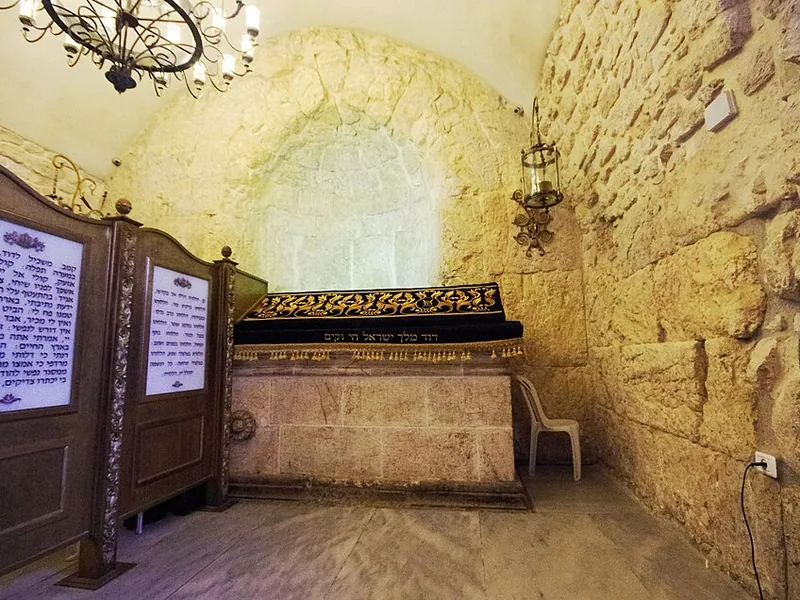
The traditional Tomb of King David occupies the lower level beneath the Cenacle. Its identification with the biblical king developed in medieval traditions, and the chamber remains an active Jewish prayer site.

Respect the separate Jewish prayer areas and keep your visit quiet, especially during prayers. Men should bring a head covering.

The traditional cenotaph of King David inside the Mount Zion prayer chamber

The Chamber of the Holocaust

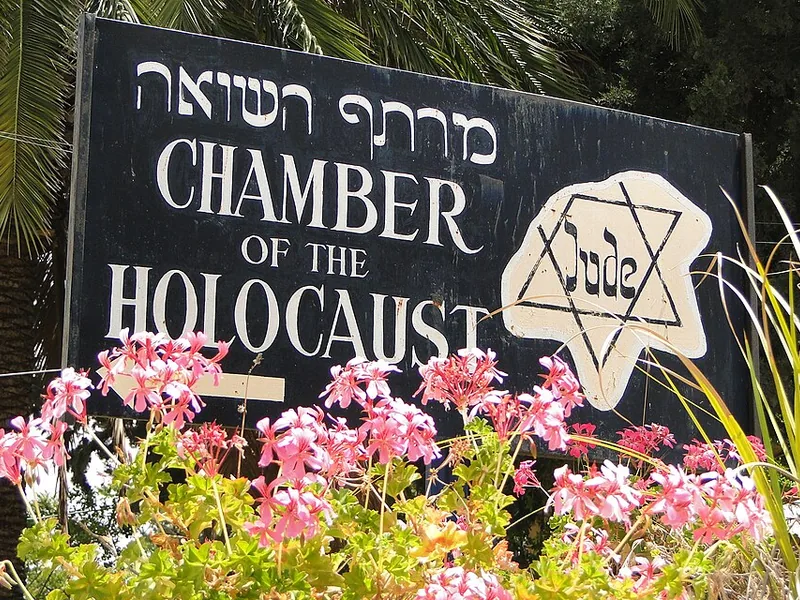
Founded in 1949, this memorial honours Jewish communities destroyed in the Holocaust. Memorial plaques, rescued sacred objects and urns containing victims’ ashes make it a place for a reflective visit.

Find the museum near David’s Tomb and allow time for its memorial displays. It normally welcomes visitors Sunday to Thursday, 09:00–14:00; groups should arrange a visit ahead of time.

Chamber of the Holocaust visiting information

Entrance sign for the Chamber of the Holocaust memorial on Mount Zion

St Peter in Gallicantu

St Peter in Gallicantu commemorates the tradition of Peter's denial of Jesus and the site associated with the house of High Priest Caiaphas. Inside and around the church are chapels, archaeological remains and views over the valley.

Allow time for the sanctuary, the underground spaces and the ancient stone stairway beside the church, traditionally associated with the events of Holy Thursday. Enjoy views over the Kidron Valley and the surrounding hills.

St Peter in Gallicantu official visitor information

Stone church of St Peter in Gallicantu overlooking Jerusalem's Kidron Valley

Oskar Schindler's grave

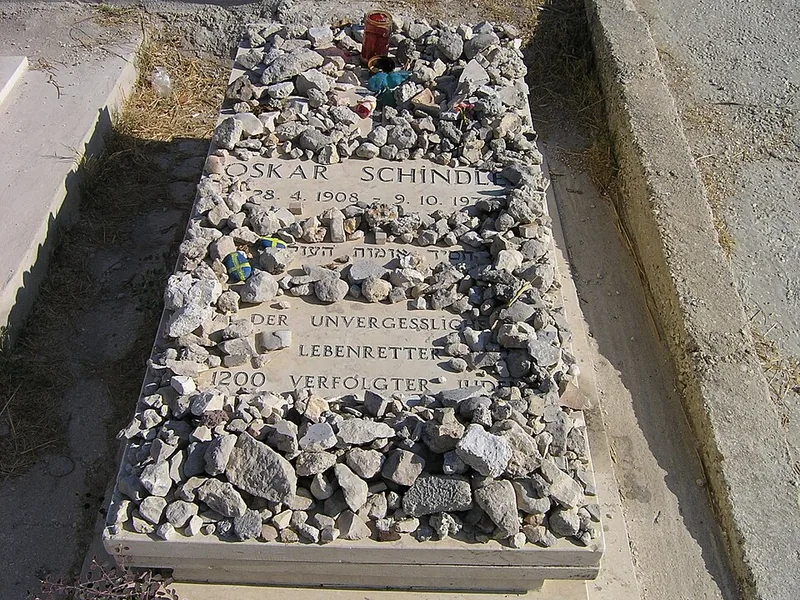
Oskar Schindler, honoured as Righteous Among the Nations for rescuing Jews during the Holocaust, is buried in Mount Zion's Catholic cemetery. Visitors often leave a small stone on his grave as a sign of remembrance.

The grave is in the lower Catholic cemetery, not beside the three main Mount Zion churches. Allow extra time to walk down to the cemetery, visit Schindler's grave and return uphill.

Oskar Schindler’s grave in the Mount Zion Catholic cemetery, with small memorial stones

How to plan your visit

Mount Zion works best as part of a walking day in Jerusalem. The Upper Room, David's Tomb and Dormition Abbey are all within a few minutes' walk of Zion Gate. Pick the order that suits your Old City itinerary.

45–60 minutes

The main landmarks

Start at Zion Gate, visit the Upper Room and continue downstairs to David’s Tomb. A good choice for a short visit.

1.5–2 hours

The central Mount Zion circuit

Add Dormition Abbey, its mosaics and crypt, and the Chamber of the Holocaust when open.

2.5–3 hours or longer

A longer history or pilgrimage visit

Explore the central sites, then continue to St Peter in Gallicantu or Oskar Schindler’s grave on the lower hillside.

Mount Zion sites on the map

Gold marks Zion Gate, blue marks the central landmarks, and green marks the lower hillside sites.

Enable External content in Cookie settings to view the map.

Select a place

Map data © OpenStreetMap contributors · locations approximateOpen in Google Maps

Two suggested walking routes

Around 1–2 hours on Mount Zion

From the Old City to Mount Zion

First-time visitors and anyone already exploring the Old City

  1. Walk through the Armenian Quarter or Jewish Quarter and leave the Old City through Zion Gate. Take a moment to look at the historic gate and its marks from the 1948 fighting.
  2. Continue to Dormition Abbey to see its striking round basilica and, when accessible, the crypt associated with Mary's Dormition.
  3. Visit the Cenacle, traditionally remembered as the Room of the Last Supper, on the upper floor of the David's Tomb complex.
  4. Go downstairs to the traditional Tomb of King David, an active Jewish prayer site, then return toward Zion Gate or continue to your next Jerusalem stop.

On Sundays, visit the Upper Room and David's Tomb first, then Dormition Abbey after it opens at 11:30.

About 2–3 hours including an additional site

Mount Zion first, then the Old City

A wider pilgrimage or heritage itinerary

  1. Start with the central Mount Zion circuit: Dormition Abbey, the Upper Room and David's Tomb, all within a short walk.
  2. Choose an additional stop: St Peter in Gallicantu for the Passion story, or the Catholic cemetery for Oskar Schindler's grave.
  3. Return to Zion Gate if you have visited the lower sites, or arrange a pickup at a suitable road-accessible point.
  4. Enter the Old City through Zion Gate and explore the Armenian and Jewish Quarters; you can continue toward the Western Wall or the Christian Quarter.

Choose either the church or the cemetery, as they are on different parts of the hillside. Allow time to walk back uphill to Zion Gate.

Walking connections

Opening hours, admission and accessibility

You can explore Mount Zion's public streets for free. Each church, religious site and museum sets its own visiting hours and admission fees. Religious services, Jewish holidays and local arrangements may affect the published visiting hours or access.

Opening hours, admission and visitor notes for seven Mount Zion sites
SiteVisiting hoursAdmissionImportant notes
Room of the Last Supper (Cenacle)Daily 08:00–18:00; Yom Kippur closureUsually freeUpstairs from David’s Tomb; staircase to the visitor entrance
David’s TombPublished visitor hours: daily 09:00–sunsetFreePrayer access and religious holidays may follow different arrangements
Dormition AbbeyMon–Sat 09:00–17:00; Sunday 11:30–17:00Generally freeThe abbey publishes its timetable and holiday notices on its official site
St Peter in GallicantuMon–Sat 08:30–17:00; closed Sunday, 25 Dec and 1 JanCheck at entranceThe sanctuary reports accessible facilities; arrive via Hebron Road by car
Zion GatePublic pedestrian access subject to local conditionsFreeConnects the Armenian and Jewish Quarters with Mount Zion
Oskar Schindler’s graveCatholic cemetery: daily 09:00–16:00No general admission ticket listedSeparate gate on the southern slope; if locked during hours, use the contact number posted on the gate
Chamber of the Holocaust (Martef HaShoa)Sun–Thu 09:00–14:00; generally closed Fri, Sat and Jewish holidaysConfirm with museumGroup visits by prior arrangement; museum may close on Jewish holidays

Dormition Abbey: Sunday visiting begins at 11:30 according to the abbey’s published timetable. For feast days and special services, check the abbey’s announcements.

Accessibility and practical considerations

  • Upper Room: The traditional entrance involves a staircase. Contact the responsible site before relying on step-free entry.
  • St Peter in Gallicantu: The sanctuary reports accessibility for visitors with reduced mobility, but the walk down from Zion Gate is on a slope. Arrive via Hebron Road, following the sanctuary’s car-access directions.
  • David's Tomb: Respect the separate prayer areas, modest dress and photography rules; men should carry a head covering.
  • Schindler's grave: The Catholic cemetery has a separate entrance on the southern hillside and stair-linked terraces. It is not beside the Upper Room.
  • Chamber of the Holocaust: Arrange group visits in advance, especially when adding the memorial to a busy itinerary.

How to get to Mount Zion

Start at Zion Gate for the main landmarks. If visiting St Peter in Gallicantu or the Catholic cemetery, plan your pickup point around each site's separate hillside entrance.

St Peter in Gallicantu

Reach the sanctuary from Hebron Road for a convenient lower-hillside arrival.

Driving directions

Continue into the Old City

Walk through Zion Gate to the Armenian and Jewish Quarters.

Walking directions

Walk from the Old City

From Jaffa Gate, follow the Armenian Quarter towards Zion Gate. From the Jewish Quarter, head south towards the same gate. The central landmarks are close together, with historic stone paving along the way.

Public buses

Bus 38 serves Mount Zion/Ma’ale HaShalom and Zion Gate/Habad; bus 2 also serves the Zion Gate area. Check the direction of the circular 38 route and departures on the public transport planner. Most Israeli city buses pause for Shabbat from Friday afternoon to Saturday evening.

Mount Zion: sacred traditions and Jerusalem history

The name Zion originally refers to the ancient Jerusalem of the Bible, with its earliest associations linked to the City of David. Over time the name moved across Jerusalem’s religious geography. The hill now called Mount Zion lies south of today’s Old City walls, just outside Zion Gate.

For Christians, the Cenacle recalls the Last Supper and Pentecost, Dormition Abbey commemorates the Virgin Mary, and St Peter in Gallicantu is associated with Peter’s denial and the house of the High Priest Caiaphas. The major sanctuaries and their buildings changed through Byzantine, Crusader and later periods.

The traditional Tomb of David became an important Jewish place of prayer. The shared historic complex also has Muslim associations: it was used as a mosque and linked to the veneration of the prophet David (Nabi Daoud), with the Dajani family among its custodians during Ottoman rule.

During the years of divided Jerusalem, 1948–1967, Mount Zion stood on the Israeli side of the armistice line while the Old City was under Jordanian control. David’s Tomb became a focus of Jewish pilgrimage, and the hill also preserved memories of the 1948 fighting, visible today in the stone around Zion Gate.

The Chamber of the Holocaust was established in 1949 as an early memorial to murdered Jewish communities. Oskar Schindler is buried in the Catholic cemetery on Mount Zion.

For further background on the hill's varied communities, see Window to Mount Zion. For a wider Christian pilgrimage route, see my Jerusalem churches guide.
Guided tours and private visits

These guided full-day tours combine Mount Zion with Jerusalem’s Old City and other landmarks. Compare the departure point and individual stops before choosing your tour.

Guided sightseeing in Jerusalem

Booking platform: Viator

Jerusalem Old City Day Tour

A guided Jerusalem day including the Cenacle on Mount Zion, Old City landmarks and selected hotel pickup points.

About 7 hours4.5 (43 reviews)
Check current price
View tour
Mount Zion hillside and Jerusalem stone buildings near the Old City

Booking platform: Viator

Jerusalem Highlights from Tel Aviv

A full-day Jerusalem visit with Old City highlights and, on the standard itinerary, the Upper Room and David’s Tomb.

About 10 hours4.5 (88 reviews)

Monday and Thursday departures generally visit Yad Vashem in place of the Cenacle and David’s Tomb. Choose a departure that includes Mount Zion.

Check current price
View tour
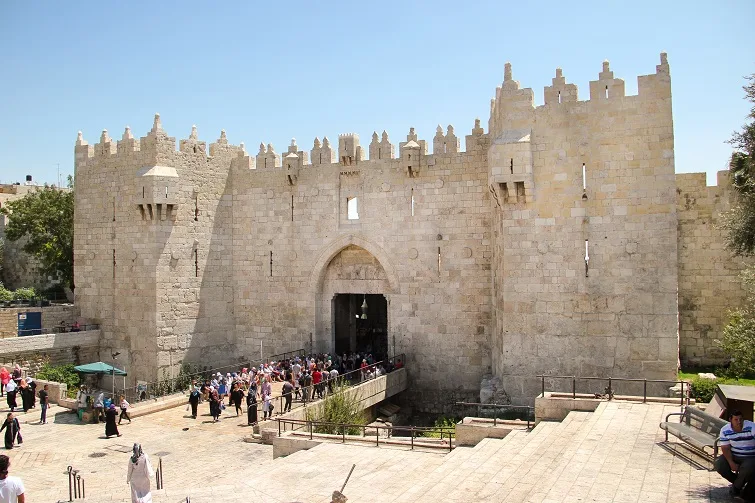
Damascus Gate in the Old City of Jerusalem

Booking platform: Viator

Jerusalem Classic Tour: Mount of Olives & Old City

A guided Jerusalem day with the Mount of Olives, Old City highlights and a listed Mount Zion stop. Confirm the exact itinerary for your date.

About 7 hours5.0 (3 reviews)
From €122.62per person
View tour

Browse more Jerusalem tours, or contact me about private transport for your visit.

Frequently asked questions

How do I reach Mount Zion from Jerusalem's Old City?

Walk south through the Armenian or Jewish Quarter to Zion Gate. The Upper Room, David's Tomb and Dormition Abbey are a short walk just outside the walls.

How much time should I allow for Mount Zion?

Allow about one or two hours for the central sites. Set aside around three hours if you also want St Peter in Gallicantu or the separate Catholic cemetery.

Are David's Tomb and the Last Supper Room in the same building?

Yes. The traditional Cenacle is upstairs, with David's Tomb on the lower level. Visitors and worshippers use different access arrangements.

Is Mount Zion free to visit?

The public streets and Zion Gate are free, as are many central religious sites. Museums and other compounds may have their own entrance requirements and charges.

Can I visit Mount Zion on Sunday?

Yes. The Cenacle and David's Tomb have separate arrangements; Dormition Abbey welcomes sightseeing visitors from 11:30, while St Peter in Gallicantu is normally closed.

Can I visit Oskar Schindler's grave?

His grave is in the Catholic cemetery on the lower southern slope, not directly beside the Upper Room. Check the gate before descending and treat the cemetery as a place of remembrance.

Is Mount Zion suitable for wheelchair users?

The area near Zion Gate is easier to explore than the sites farther downhill. The Upper Room is reached by stairs. St Peter in Gallicantu reports an accessible site with separate vehicle access, while the walk between stops may still be steep or uneven.

Continue exploring Jerusalem

Contact me

Need a private driver to visit Mount Zion?

Tell me your date, pickup point, group size and whether you want to combine Mount Zion with the Old City. I can arrange private transport with a driver to a suitable drop-off or pickup point.

All bookings require confirmation.

Sources

Photo credits & licences
  • David’s Tomb: Jacek555 / Wikimedia Commons · CC BY-SA 3.0; resized and cropped to WebP · Photo source · Licence
  • Zion Gate: Marco Plassio / Wikimedia Commons · CC BY-SA 3.0; resized and cropped to WebP · Photo source · Licence
  • Oskar Schindler’s grave: Marco Plassio / Wikimedia Commons · CC BY-SA 3.0; resized and cropped to WebP · Photo source · Licence
  • Chamber of the Holocaust: Adam Jones / Wikimedia Commons · CC BY-SA 2.0; resized and cropped to WebP · Photo source · Licence